
Product Electrical Safety Testing
Need product safety testing?
Product safety
Electrical Safety Testing
Electrical safety product testing is the process of examining products to ensure they meet specific safety standards. Whether it is a kettle, a power tool or an industrial machine, safety testing makes sure a product does what it is supposed to do without putting users at risk of electric shock, fire or other hazards – and helps manufacturers and importers stay compliant with legal regulations.
In Australia, the Electrical Equipment Safety System (EESS) is the national scheme governing which electrical products can legally be supplied, and it uses the Regulatory Compliance Mark (RCM), which replaced the C-Tick, A-Tick and Unique Electrical Safety Approval Number. Compliance Engineering tests to the IEC and AS/NZS standards listed on this page in our A2LA-accredited laboratory in Melbourne, and on site at your facility.
- A2LA-accredited to ISO/IEC 17025
- Reports recognised under ILAC MRA
- In our Melbourne lab or on site

Audio/Video, I.T.E Products
With the growth of new technologies and intelligent devices, audio and video equipment benefit from all innovations and new developments in the field. I.T.E products help ensure borderless connections between individuals. Telecommunication and IT regulations as well as quality, safety and functionality requirements are therefore a must – and thus worldwide.

Medical Electrical Devices
Medical electrical devices include a wide range of products, such as ultrasonic physiotherapy Equipment, operating tables, blood pressure monitors, and x-ray equipment. They differ from medicines as they generally have a physical or mechanical effect on the body or are used to measure (or monitor) the body and its functions.

Measuring Instruments
With the growth of new technologies and intelligent devices, audio and video equipment benefit from all innovations and new developments in the field. I.T.E products help ensure borderless connections between individuals. Telecommunication and IT regulations as well as quality, safety and functionality requirements are therefore a must – and thus worldwide.

Household Electrical Appliances
Household electrical appliances are electrical/mechanical machines that accomplish some household functions, such as cooling/heating, cooking or cleaning. Most of the household appliances are defined as Level 3 products as per ERAC regulation, which will need the safety certificate before entering the Australian/New Zealand market.

Power suppliers
Power suppliers are more and more important for modern electronic products. Ensuring that a power supply is safe and appropriate for a particular product is a complicated process due to the fact that there is an abundance of power supply options and safety testing considerations that must be made.

Power Tools
We provide the AS/NZS national variations test on the whole range of hand-held power tools, transportable tools and garden machinery. We can top up your IEC or EN test report with the latest Australian/New Zealand standards.

Electrical Components
With the growth of new technologies and intelligent devices, audio and video equipment benefit from all innovations and new developments in the field. I.T.E products help ensure borderless connections between individuals. Telecommunication and IT regulations as well as quality, safety and functionality requirements are therefore a must – and thus worldwide.

Energy Efficiency
Products with a higher energy efficiency rating that use less energy to perform the same amount of work are essential for reducing the country’s emissions of greenhouse gases.

I.P. & Flammability (Material tests)
Ingress protection (IP) tests are performed to ensure enclosures provide adequate protection against the environment in which they are located. Tests include ingress of solid foreign objects, water and dust. Measurements are performed according to the procedures of AS 60529 (IEC 60529).
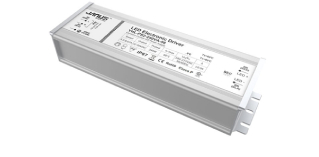
Lamp Control Gears
This part of IEC 61347 specifies particular safety requirements for electronic control gear for use on a.c. supplies at 50 Hz or 60 Hz up to 1 000 V and/or d.c. supplies up to 1 000 V with lamp operating frequencies deviating from the supply frequency, associated with fluorescent lamps as specified in IEC 60081 and IEC 60901, and other fluorescent lamps for highfrequency operation.
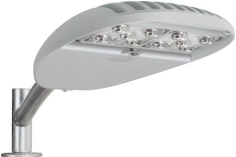
Luminaires-Lighting Equipment
IEC/EN 60598-1 speaks to many tests for luminaires and covers general safety requirements. Compliance Engineering is an A2LA accredited test laboratory with expertise in IEC 60598-1 testing.
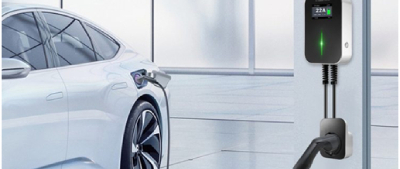
Electric Vehicle Chargers
Compliance Engineering carries out IEC 61851 type tests of charging stations in accordance with the IEC 61851 standard to which they are connected. For the type tests specified in the IEC 61851 standard, the classification must first be made. In other words, after clarifying whether it will be used for indoor or outdoor, type tests can be performed.

On-Site Testing for Electrical Products
We offer on-site testing services for a range of electrical products to support compliance with relevant Australian and international standards. Testing is conducted using calibrated instruments and in accordance with established test methods to ensure reliable and consistent results.
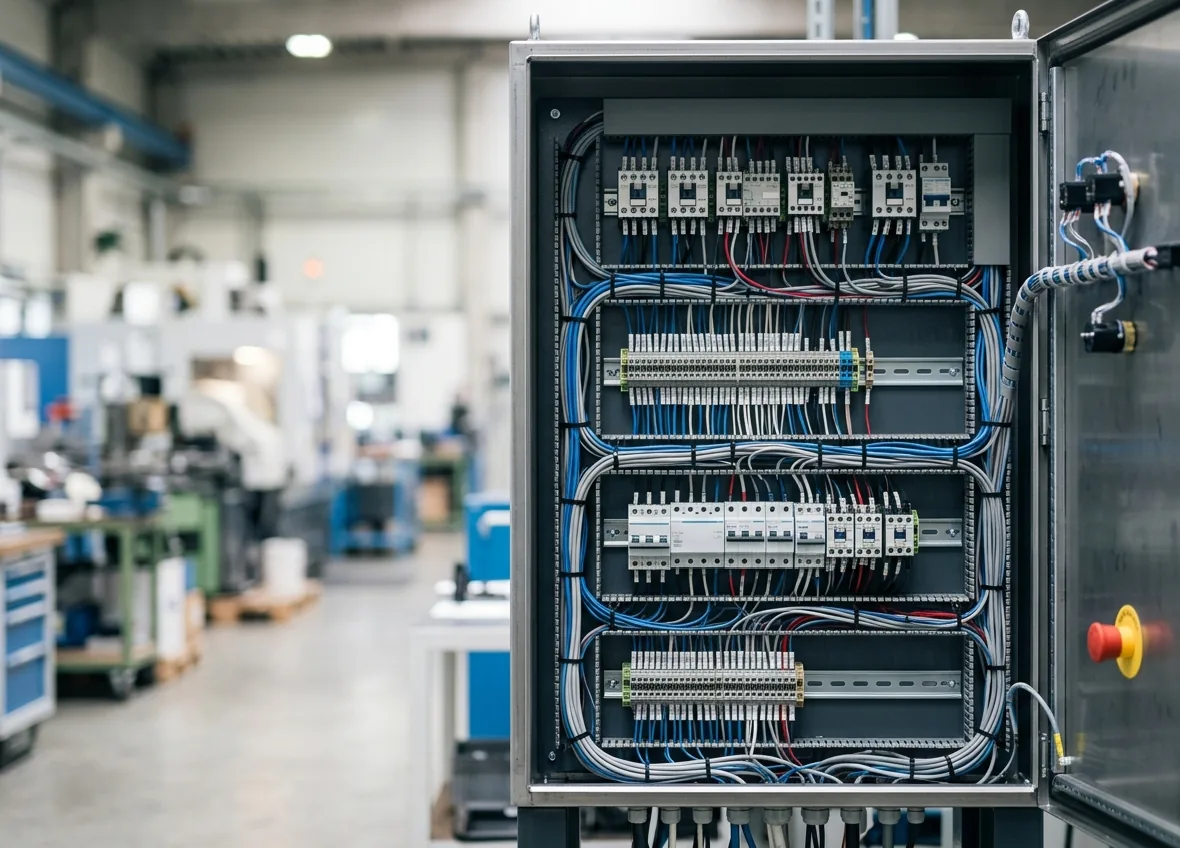
Safety of Machinery
We test the electrical equipment of machines to AS/NZS 4024.1204 (IEC 60204-1, EN 60204-1), supporting the safe installation and operation of industrial machinery.
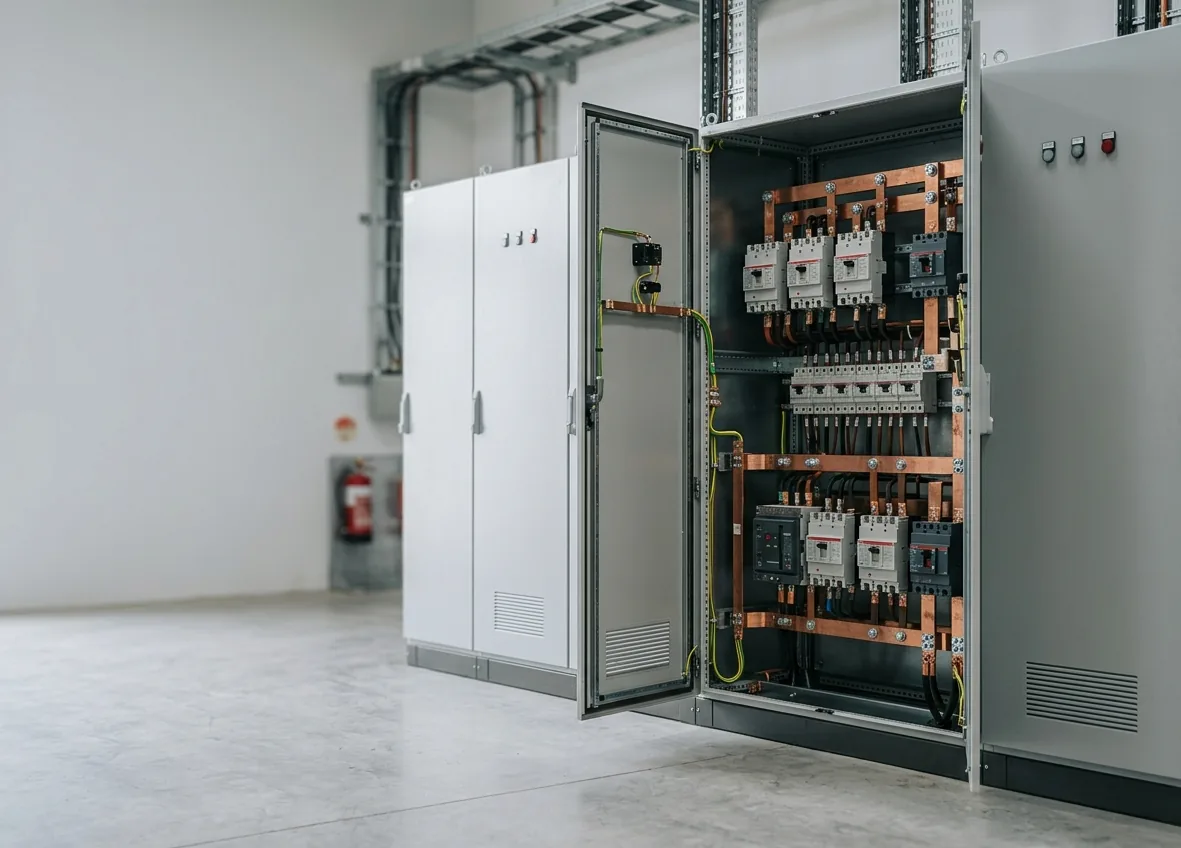
Low-voltage Switchgear and Controlgear Assemblies
Low-voltage switchgear and controlgear assemblies are tested to AS/NZS 61439.1 for general rules and AS/NZS 61439.2 for power switchgear and controlgear assemblies.
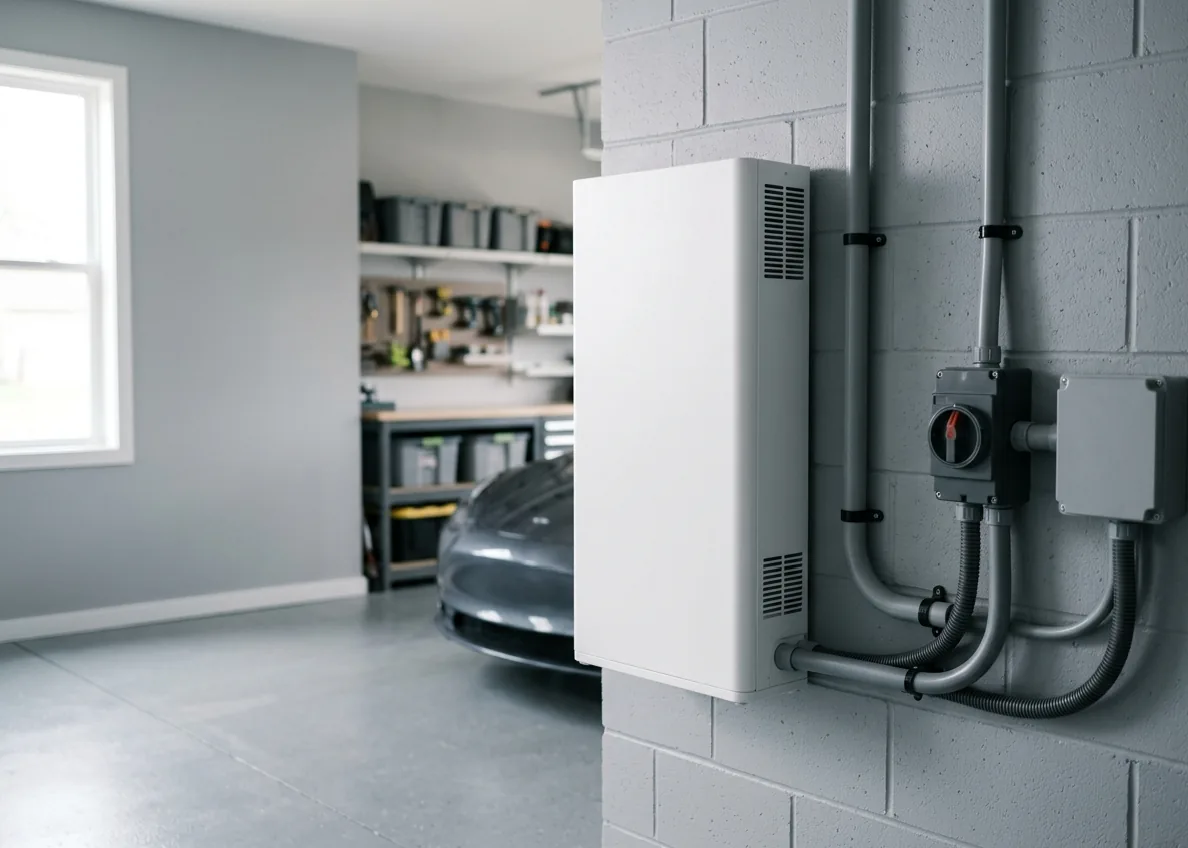
Energy Solution
Grid-connected battery energy storage systems (BESS) for use by consumers are assessed to AS/NZS 5398 and SA TS 5398, covering residential and commercial storage.
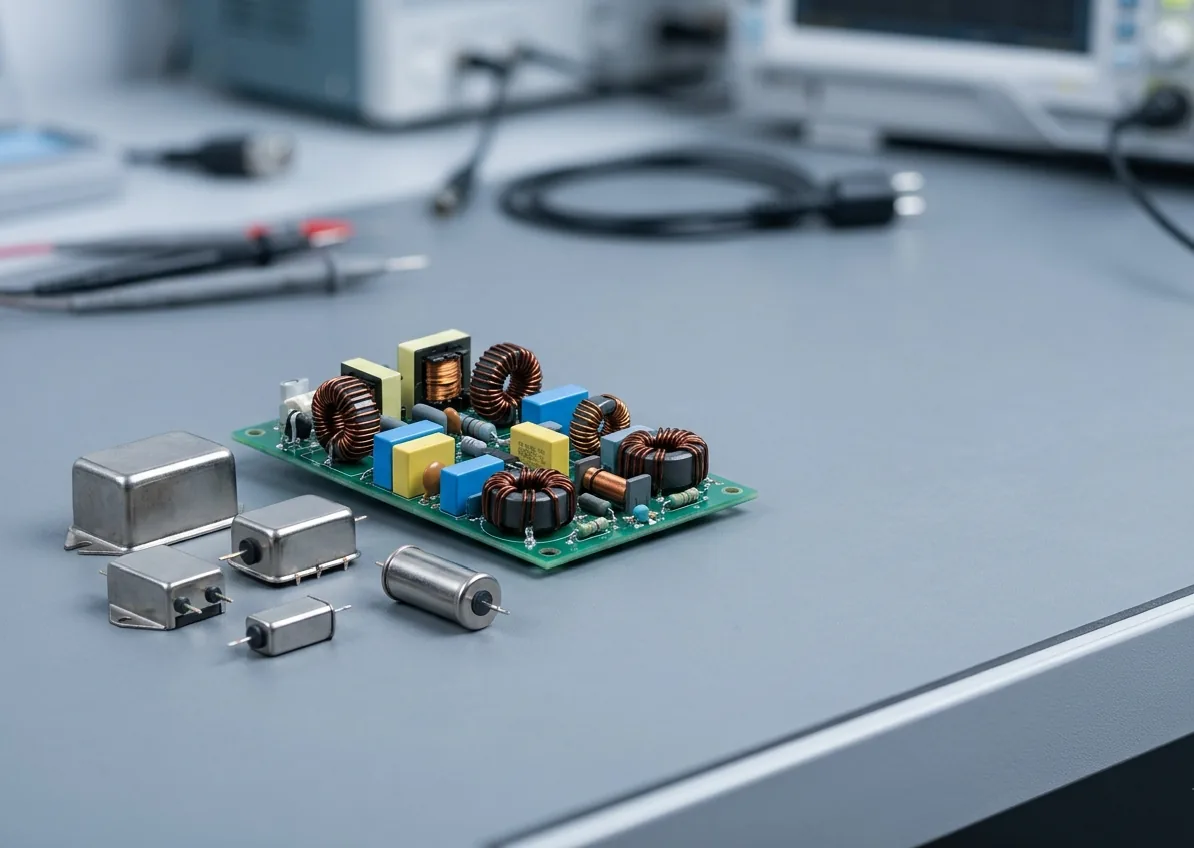
Passive Filter Units for EMI Suppression
Passive filter units for EMI suppression are tested to the AS/NZS 60939 series (IEC 60939, EN 60939), covering the generic and sectional specifications in Parts 1 to 3.
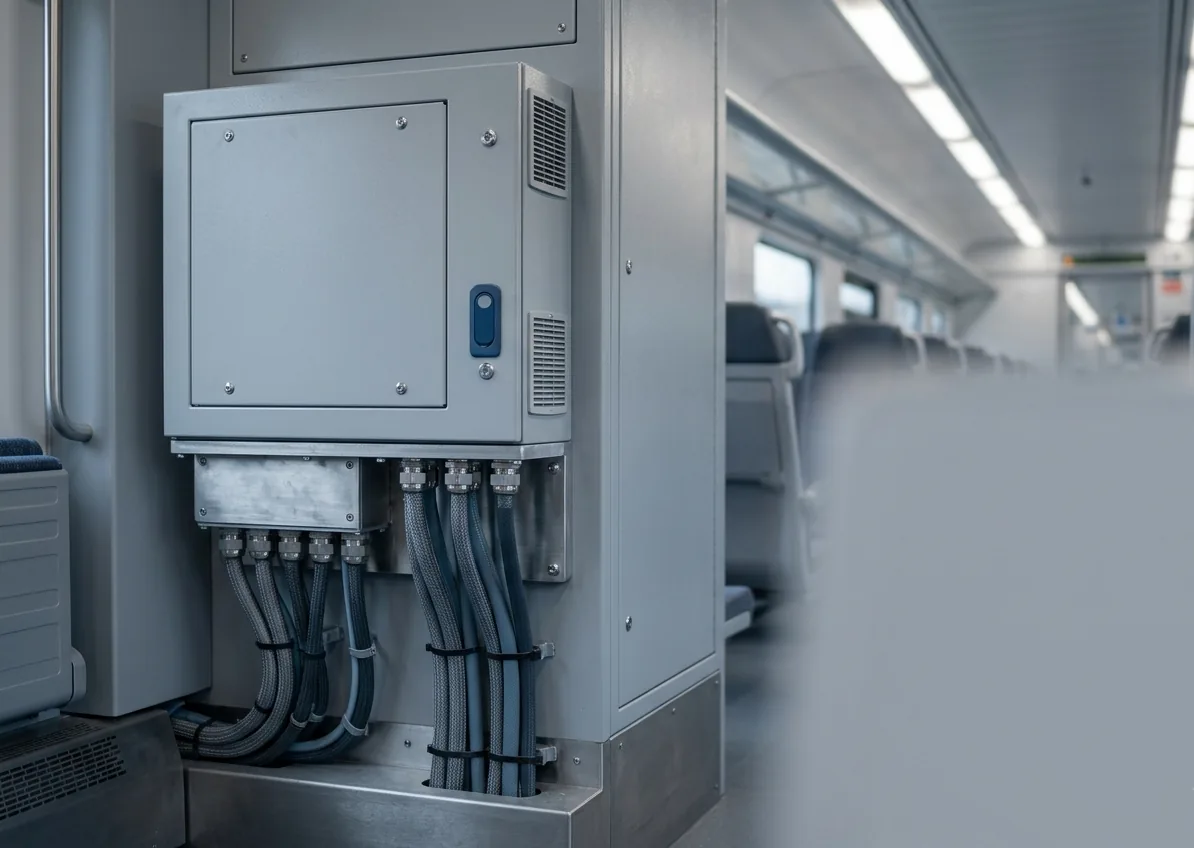
Railway Applications – Rolling Stock
Rolling stock equipment is assessed to EN 50153, which sets out the protective provisions relating to electrical hazards on railway vehicles.
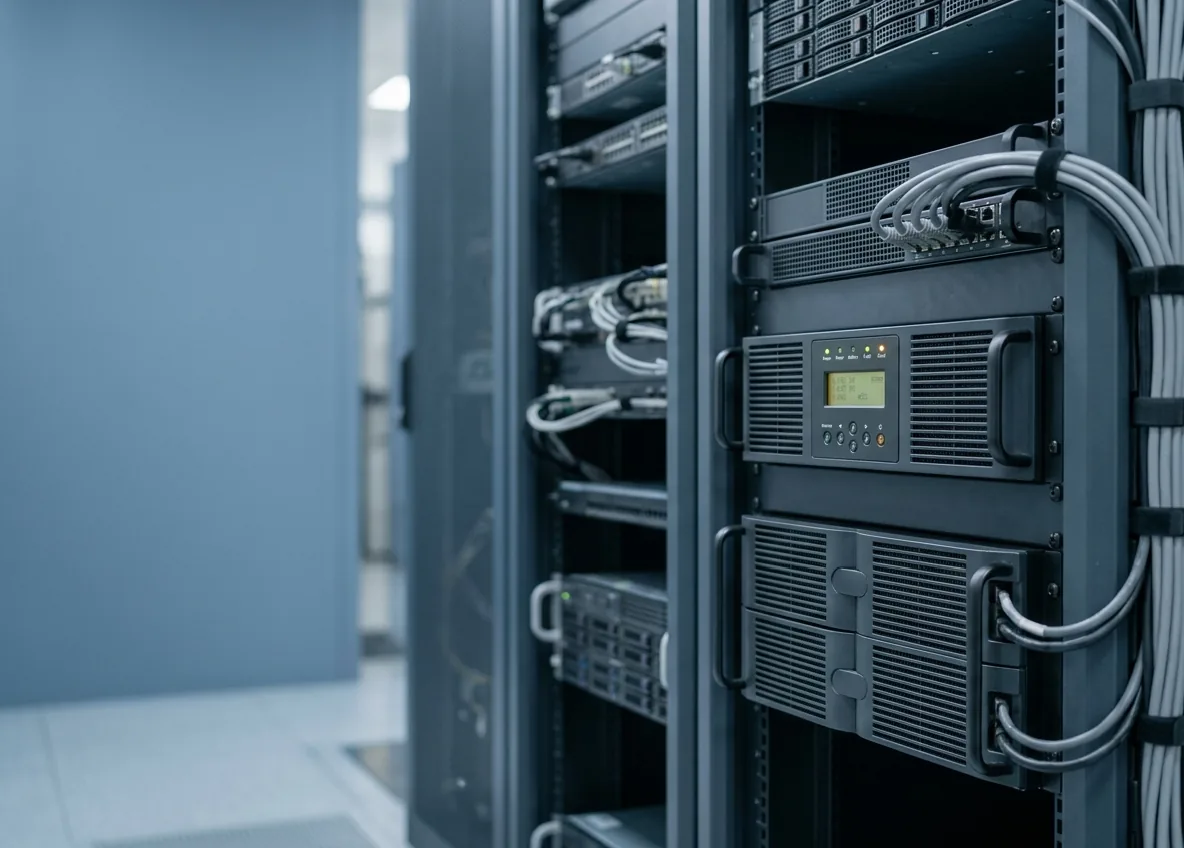
Uninterruptable Power Supply (UPS)
Uninterruptible power systems are tested to AS/NZS 62040.1 (IEC 62040-1, EN 62040-1), Part 1: Safety requirements, for UPS in restricted access areas.
Standards Capability
Compliance Engineering Pty Ltd offers accredited testing across a broad range of electrical safety, EMC, and environmental standards, including IEC/AS-NZS 60335 (household and similar electrical appliances), IEC/AS-NZS 62368-1 (audio/video, IT and communication equipment), IEC/AS-NZS 61010 (laboratory and measurement equipment), IEC/AS-NZS 60601 (medical electrical equipment), and IEC/AS-NZS 60598 (luminaires), alongside a growing portfolio in power tools, EV charging, and battery energy storage systems (BESS). Our A2LA-accredited laboratory operates under ISO/IEC 17025 with recognition under the ILAC Mutual Recognition Arrangement, ensuring our test reports are recognised internationally.
On-Site Testing
Beyond our in-house laboratory, Compliance Engineering also provides on-site testing services, bringing accredited assessment capability directly to client facilities. This allows for verification and compliance testing to be carried out where equipment is installed or manufactured, minimising downtime and logistical disruption while maintaining the same rigorous standards applied in our lab.
Why it matters
Why Electrical Safety Testing Matters
Electrical products have the potential to be dangerous if not correctly designed or manufactured. Faulty wiring, poor insulation and inadequate grounding can all result in serious harm or death, and testing identifies these problems before they reach consumers – from medical devices such as defibrillators, ventilators and infusion pumps, to consumer electronics in the home and machinery in industrial settings.
Compliance with standards
Every market sets safety standards that products must meet before they reach the shelves. Without testing, manufacturers risk non-compliance, which can lead to fines, products being pulled from sale or recalls.
Prevention of hazards
Testing confirms a product will not cause electric shocks, fires or other failures under normal use or in the event of a fault.
Consumer trust and brand reputation
When products are rigorously tested, buyers feel confident they are getting something safe and reliable, and a company known for safe products earns a solid reputation.
Liability protection
Proper testing reduces the risk of accidents, protecting your company from potential lawsuits and liability claims.
Better products at lower cost
Identifying weaknesses during testing lets manufacturers improve the design before production and avoid costly recalls, returns and redesigns later.
Market access
Accredited test reports support supply into multiple markets – our reports are recognised internationally under the ILAC Mutual Recognition Arrangement.
What we test
Types of Electrical Safety Tests
Several different tests cover the range of risks an electrical product can pose. The tests required depend on the product and the standard that applies to it.
Dielectric strength (high voltage or hipot) test
Applies a higher-than-normal voltage to confirm the insulation can withstand it without breaking down. It is often considered the most critical safety test.
Insulation resistance test
Measures the effectiveness of the insulation under normal conditions; if the resistance is too low, there may be an insulation fault that could expose users to electric shock.
Ground (earth) continuity test
Checks that all exposed conductive parts are properly connected to the protective earth, so that in a fault the current travels safely to ground. The resistance should be very low.
Leakage current test
Measures any unwanted current that may flow from the product to earth or other conductive parts, and confirms it is within the limits of the applicable standard.
Temperature rise test
Measures how hot a product gets during use, to ensure it will not overheat and cause burns or fires.
Short circuit and overload tests
Confirm that faults, or more power than usual, will not lead to sparks or fire.
Power cycling and durability tests
Repeatedly switching the product on and off, and stressing it with voltage spikes or long-term use, to confirm it will not fail in service.
EMC testing
Radiated and conducted emissions and immunity testing confirm the product will not interfere with other equipment or be affected by it. See EMC testing and certification.
How it works
Our Electrical Safety Testing Process
- Initial evaluationBefore any physical testing, the design and construction are reviewed against the applicable standard, and engineers inspect the product for hazards such as exposed wiring or inadequate insulation.
- Pre-compliance and prototype testingTesting prototypes before mass production catches design flaws early, when they are cheapest to fix.
- Formal testingThe product is tested in our accredited laboratory, or on site, to all clauses of the applicable standard.
- Certification and reportingAfter the product passes, a detailed test report is issued showing compliance with national and international standards, which supports RCM, CE and other market approvals.
- Ongoing production checksSampling units from the production line confirms quality and safety stay consistent.
Our engineers work to the requirements of each standard, use regularly calibrated test equipment – insulation resistance testers, hipot testers, spectrum analysers and EMC test receivers – test under conditions representative of the product’s real use, and document every result.

Responsibility
Who Is Responsible for Electrical Safety?
- Manufacturers and importers (responsible suppliers) must ensure their products meet the applicable standards before they are supplied, and should have them tested by an accredited laboratory. Importers in particular carry significant liability if their equipment has not been properly assessed.
- Regulators set the safety standards and enforce compliance. The EESS is managed by the participating jurisdictions.
- Buyers play their part by choosing certified products – in Australia look for the RCM, in Europe the CE mark and in the USA the UL mark.
Common Electrical Hazards Prevented by Testing
- Electric shocks from exposed wires, faulty insulation or poor earthing.
- Overheating and fire caused by faulty wiring, design faults or malfunctioning components.
- Short circuits where conductors touch where they should not, leading to fire or equipment failure.
- Device failure that causes system malfunctions which are costly to repair or replace.
- Electromagnetic interference that makes nearby equipment malfunction – critical in hospitals, aviation and industry.

Choosing a lab
Choosing an Electrical Safety Testing Lab
Not all labs are the same – the quality of your testing depends on the lab’s expertise, equipment and the standards it follows. When choosing a lab, look for:
- Accreditation: Compliance Engineering is A2LA-accredited to ISO/IEC 17025 for the product safety scope listed below.
- Experience with your product category, so the lab knows what to look for.
- Range of services: safety, EMC and environmental testing under one roof means every aspect of your product is evaluated.
- Turnaround and communication: a lab that explains the process clearly, helps you understand the results and can give you references from other clients.
Scope of Accreditation – Product Safety
| Product / equipment category | Standards |
|---|---|
| Audio/video, information & communication technology equipment |
|
| Household and similar electrical appliances – Safety |
|
| Safety of power transformers, power supplies, reactors and similar products |
|
| Safety requirements for electrical equipment for measurement, control and laboratory use |
|
| Medical electrical equipment |
|
| Luminaire products |
|
| Lamp control gears |
|
| Products containing button/coin cell batteries |
|
| Hand-held motor-operated electric tools |
|
| Electric motor-operated hand-held tools, transportable tools and lawn and garden machinery |
|
| Proof and comparative tracking index |
|
| General requirements for electrical equipment |
|
| Electric vehicle conductive charging systems |
|
| Performance of external power supplies |
|
| Safety of machinery |
|
| Low-voltage switchgear and controlgear assemblies |
|
| Energy solution – battery energy storage systems (BESS) |
|
| Passive filter units for electromagnetic interference suppression |
|
| Railway applications – Rolling stock |
|
| Uninterruptible power supply (UPS) |
|
More on product safety
Product Safety Law in Australia
- The Australian Competition and Consumer Commission (ACCC) is the primary regulatory agency; the TGA and the APVMA have specific product safety regulations.
- Most products are covered by voluntary standards; mandatory standards are applicable to certain products, such as baby walkers, aquatic toys, bean bags and basketball rings and backboards.
- Under Australian Consumer Law consumers can expect goods to be safe for use, without defects or faults, look acceptable and perform the functions normally expected; if not, you may be liable to refund, repair, or replace the product.
- If a product is banned it is unlawful for a supplier to offer to supply, manufacture, sell, possess or have control of it.
More on product safety
Supplier Obligations: Evidence, Declarations and Reporting
- If you are selling imported products, you are still responsible for ensuring safety compliance: ask your suppliers for copies of the test reports from accredited laboratories or test bodies.
- Every Australian entity that imports or supplies a given product must independently gather its own evidence and complete its own SDoC.
- Applying the RCM does not mean the product has been certified by ACMA.
- Suppliers get caught out usually because the test report doesn’t match the standard actually in force, or the compliance folder can’t be produced.
- The ACL requires a supplier to report any serious injury, illness, or death related to a product supplied within 2 days.
More on product safety
Overseas, Medical and Environmental Requirements
- CE marking: common examples include the Low Voltage Directive, the EMC Directive, the Radio Equipment Directive and the Medical Device Regulation, alongside RoHS. For higher-risk categories, an independent Notified Body must review the product.
- TGA: devices must comply with the Essential Principles (electrical safety commonly IEC 60601) and be listed on the Australian Register of Therapeutic Goods (ARTG) before supply.
- FDA: the Quality Management System Regulation (QMSR) came into effect in February 2026 and incorporates ISO 13485:2016.
- Environmental testing, largely governed by the IEC 60068 series: dry heat and cold, damp heat and humidity cycling, vibration and mechanical shock, and salt spray.
More on product safety
The real cost of skipping testing
Without testing, engineers rely on guesswork for shielding, grounding, and cabling decisions. That can lead to:
- Over-engineering, which makes products more expensive than necessary.
- Under-engineering, which causes failures and redesigns later.
- Pre-compliance testing gives engineers real data to make smart, efficient design decisions.
FAQs
Electrical Safety Testing FAQs
What is electrical safety testing?
A series of tests that confirm an electrical product operates safely under normal conditions and in the event of a fault, without posing risks such as electric shock, fire or overheating.
Do all electrical products need safety testing?
In-scope electrical equipment supplied in Australia must meet the EESS requirements and carry the RCM. Most household appliances, for example, are Level 3 products under the ERAC regulations and need a safety certificate before entering the Australian/New Zealand market. Different products have different safety and EMC requirements depending on their intended use and risk – see RCM testing.
Is EMC testing required as well?
Most electrical and electronic products must also meet EMC requirements, which ensure they do not interfere with other devices or malfunction because of interference – especially important in hospitals and airports.
What is the difference between insulation resistance and hipot testing?
Insulation resistance testing measures how effective the insulation is under normal conditions, while hipot testing checks that the insulation can withstand higher-than-normal voltages.
How long does safety testing take?
It depends on the complexity of the product and the number of tests required – anywhere from a few days to several weeks.
What happens if a product fails?
It cannot be sold until the issues are corrected and the product passes a retest. Repeated failures may call for a design review.
Is testing only needed for new products? When should products be re-tested?
No. Re-testing is needed whenever the design changes – even small cost-saving tweaks can affect safety – when components or materials change, or when new standards come into effect. Standards evolve with new technology; for example, AS/NZS 62368.1:2026 replaces the 2022 edition, and the older prescriptive standards such as AS/NZS 60950 and 60065 have been superseded by the hazard-based 62368 series.
Isn’t testing expensive and slow?
Testing is an upfront investment, but skipping it can cost far more through recalls, legal action or injuries. Testing early in development usually speeds things up overall, by catching design flaws before they need reworking after production.
Can testing be done in-house?
Basic in-house checks can catch obvious issues, but without accredited equipment, expertise and reports your product may still be unfit for market.
Is safety testing required in every market?
Each market has its own safety standards – the RCM in Australia and New Zealand, the CE mark in Europe and the UL mark in the USA – and supplying without meeting them can see products rejected or pulled from sale.
How can buyers tell a product is safe, and what if it isn’t?
Buy certified products from reputable suppliers, follow the instructions, check for recalls and replace devices with frayed leads or damage. If you think a product is unsafe, stop using it and report it to the manufacturer or the relevant regulator.
Need a product tested?